
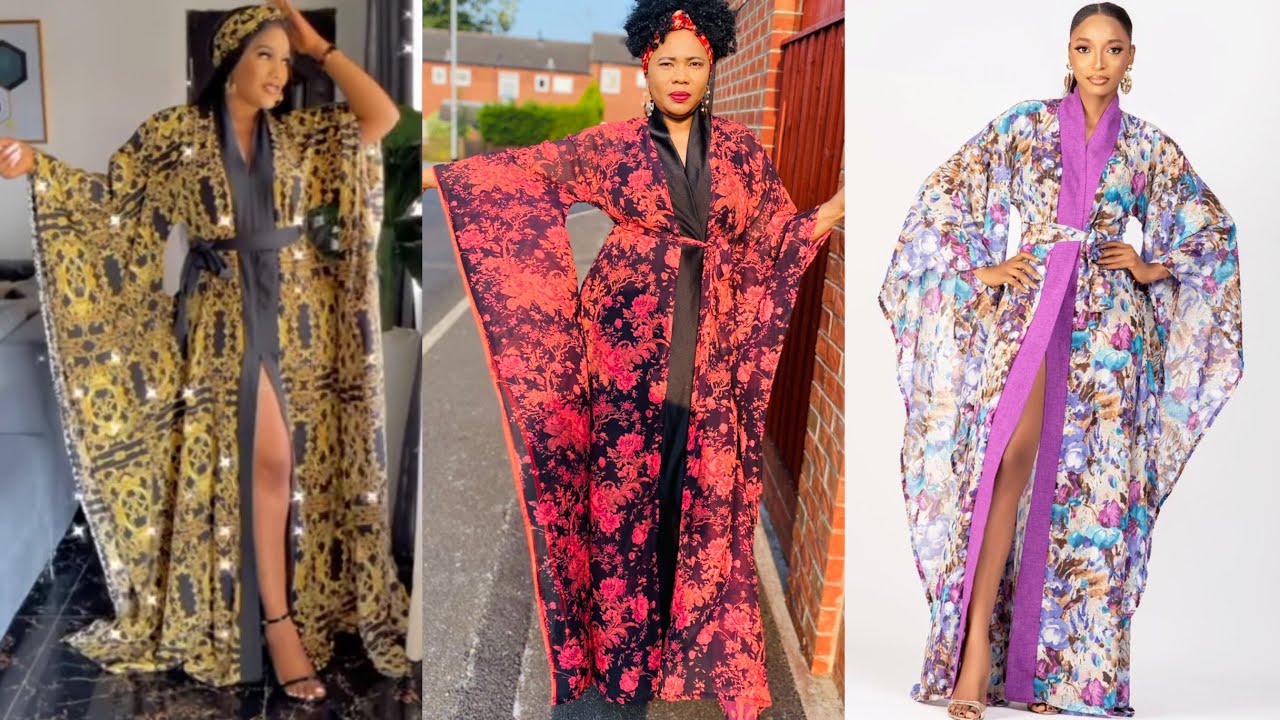
Kimonos are traditional Japanese garments worn by both men and women. There are many styles and colors to choose from.
The kimono is traditionally used for all types of occasions, from first visits to shrines to marriage ceremonies. It is also a popular form of dress for tourists and visitors to Japan.
Formal
A kimono dress is a beautiful traditional garment with a timeless appeal. It’s also the perfect outfit for special occasions, such as wedding ceremonies or New Year’s Eve parties.
Formal kimono dresses come in several different styles, ranging from traditional designs to modern patterns that have been influenced by the Art Deco movement. Men’s kimono generally come plain or with few patterns, while women’s kimono usually have patterns associated with nature.
The most formal Japanese kimono type is the furisode, which is worn by unmarried women. This kimono comes with sleeves between 100cm-107cm long and has dramatic designs.
Another kimono that is formal is the mofuku, which is black and has no pattern except for 5 kamon (family crests). This version is usually worn by mourning families.
Casual kimono types include the komon, which has vertical striped patterns that repeat themselves. This is an excellent choice for a stroll across town or for small gatherings.
Casual
There are a wide variety of casual kimono dresses available for women. They can be a perfect outfit for many occasions including everyday wear, and casual outings with friends.
A kimono dress is also suitable for summer, as it’s light and cool to wear. It’s best to choose a usumono, which is made from fabrics like “ro” silk gauze, “sha” silk gauze, and hemp or linen, as they provide excellent breathability.
Another important part of any kimono is the obi belt (Dai). Men’s obi have a few different types, such as kaku-obi, heko-obi, and sanjaku-obi, while women’s have three times as much variety. They are usually tied in a variety of ways, and can be designed with flowers or butterflies.
Wedding
A kimono dress is a traditional wedding gown worn by Japanese brides. These kimonos are available in many colors including red and white.
The color white symbolizes the sun, and it has been honored as a wedding color since ancient times. Some people believe that wearing a white bridal kimono symbolizes the new couple “taking on the colors and customs of their new family.”
In modern times, wedding kimono dresses are undergoing a modern makeover. Watabe Wedding, a Kyoto-based company, is popularizing this trend by creating for-rent kimono wedding gowns that feature strapless designs.
Featuring unique images of trees (cranes and maples), flowers (wisteria and swallowtail butterflies) and orchids, these for-rent kimono dresses are ideal for Japanese brides.
In Japan, it is more common for couples to rent their kimono and dresses than buy them. This is because a kimono is often much more expensive than a Western wedding dress, and it will also be easier to keep clean.
Yukata
Yukata is a popular form of summer dress that is worn in Japan by both men and women. They are usually made of cotton and are available in a variety of patterns. They can be worn as casual wear or for special occasions, such as a bon-dancing or fireworks festival.
They are also a great way to experience Japanese culture, as they are easy to wear and are available at kimono rental shops. You can even rent a yukata at an onsen ryokan (hot spring baths) for a real Japanese experience!
The yukata is often paired with a geta, wooden sandals. These are raised on platforms and can help keep you cool in the warm Japanese summer.
Types of kimono:
There are many different types of kimono, including furisode, hikizuri/susohiki and yukata. They all have their own characteristics and look.
Furisode - A long-sleeved kimono designed for young women; they have large, bright patterns all over them. They’re usually worn by geisha and maiko.
Hikizuri/susohiki - Long kimonos that look like either a regular kimono or a furisode. They’re typically worn by stage geisha or maiko, and are quite hard to get a good fit in.
They also make great souvenirs and gifts. You can buy them brand new in different sizes, and some can even be shibori-dyed or hand-painted. They’re less common second-hand, so it’s important to keep your eyes peeled for them.