
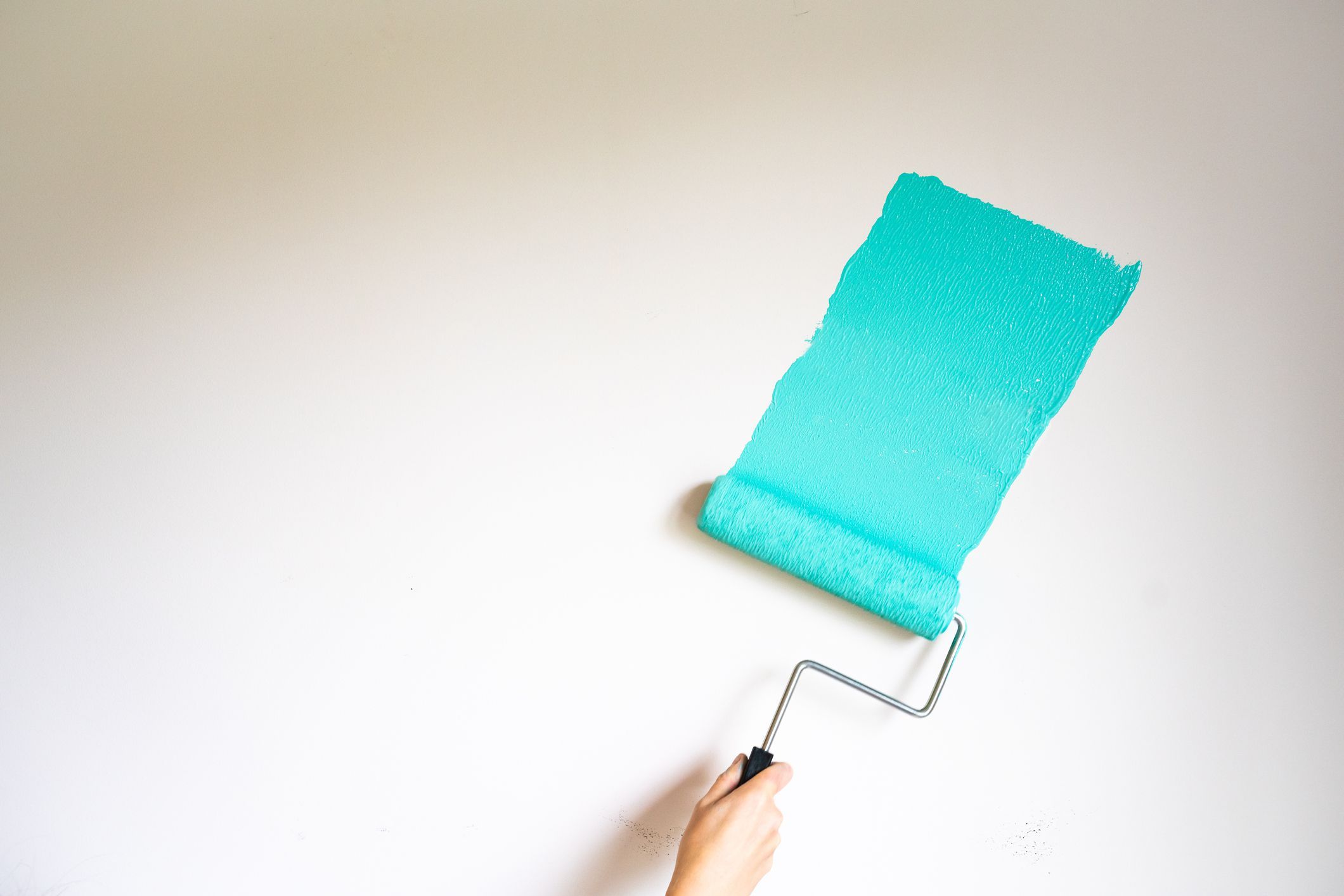
When we were searching for a home, I didn’t like that our Hallway and Dining room was covered with antiquated flowery wallpaper. There was a moment when I wanted to alter the color of our home’s walls but was prevented from doing so by the wallpaper adhesive. If you have the same issue, you need to search no further since I have already acquired the necessary information. If you are considering painting over wallpaper adhesive, consider the following information by Wallpaper Land.
What Is Wallpaper Adhesive? How Does It Function?
Wallpaper glue is a mixture of chemical compounds meant to “stick” wallpaper to walls. Often referred to as the wall-covering adhesive, it must be combined with water before application to get the proper viscosity. Compared to conventional glue, its bonding speed is much slower. This allows you to precisely position the wallpaper and adhere it to the wall only when it is straight.
Depending on the size of the wallpaper roll, conventional glue may not be sufficient to secure it. Your hands will suffer from pressing it against the wall for a very long period. Moreover, although this is not true for all wallpaper adhesive types, most products are waterproof. Normal glue may thus be used, although it is not the optimal option.
What Will Happen If You Cover a Wall with Paint?
Not possible. First, adhesive residue will prevent paint from adhering to the surface correctly. The paint will also have a thick, clumpy feel. Moreover, regardless of the paint’s cost, it will struggle to withstand moisture, dust, and grease. Within a few years, it will likely begin to flake off.
Worst case, the paint may break, leaving an unsightly mark on the wall. The same holds true for dirt, dust, oil, and grease, and they prevent almost all liquid substances from clinging to walls. Because of this, you must remove the adhesive residue before painting. Even if you apply numerous coats of high-quality paint, this adhesive will continue to present issues in the future.
Paint and Glue Don’t Mix Well
As you paint over wallpaper, be mindful of areas containing adhesive. Wallpaper adhesive and paint are incompatible and may create an unattractive mess.
Many individuals choose to use wallpaper adhesive based on water, which is among the finest and more durable. Additionally, it is an eco-friendly solution. When it is time to alter the color of your walls, you must be aware of the adhesive you use.
Additionally, the most prevalent form of paint is water-based, and this choice is superior since it is odorless and nicer for your walls. However, combining paint and wallpaper glue is not recommended since paint reactivates the adhesive.
Once the adhesive becomes active, the paint will not adhere to the wall as anticipated. Instead, you are left with paint that will not dry. Over time, these places begin flaking and breaking to the point of falling off the wall.
Therefore, removing the wallpaper adhesive before painting the wall is preferable. Alternatively, ensure the integrity of the wallpaper throughout the preparation procedure. Before you begin painting, you must address any areas with exposed adhesive to avoid future complications.
Scrub and Scrape off as Much Glue Residue as You Can
Wallpaper adhesive is removable, and therefore, it is preferable to take the time to remove it before painting the wall. It will be ideal to have a few items for this procedure and begin by acquiring some elbow grease and a sprayer.
The most effective method for removing wallpaper adhesive from a region is to use a sprayer. Check any residual wallpaper adhesive locations on the wall and spray liberal amounts of elbow grease.
Once the glue is saturated, it can be scrubbed off the wall with a scraper. Remove the larger glue pieces from the wall to avoid creating a mess when painting over them.
Then, clean the wall to remove any leftover adhesive residue. Get a big sponge that can remove as much of the wet glue as possible. Keep spraying the wall with elbow grease to keep the glue wet.
How to Remove Wallpaper Glue?
You should avoid painting over wallpaper adhesive at all costs - but if you’re stuck with it, here’s how to remove it quickly and easily. First, start by cleaning off the adhesive. In most cases, this will help remove any residue. If it doesn’t work, take sandpaper to the adhesive.
Consider Using a Primer
Are you still unwilling to put in any physical effort to remove the wallpaper glue? You could take a different approach and use a primer to grind the walls instead. As long as it is oil-based and you apply it properly, the primer should prepare the wall for painting. Primers are also great at disguising any existing flaws.
It’s best to apply multiple thin layers instead of one heavy coat. And don’t rush: allow the paint time to dry and cure before adding any further applications. Once the first coat has dried, take a close look at the wall to see how it looks.
Anticipate Performing Some Minor Drywall Repairs
Before you begin painting over wallpaper adhesive, it’s important to first perform any necessary repairs. Once you’ve removed as much of the adhesive as possible, take a look at the entire wall. Are there any cracks or holes that need to be repaired?
Every wall needs to be repaired before you start painting it. Wallpaper can deteriorate over time, and it’s best to seal these damaged areas to prevent paint from adhering to the tears.
To start, remove any excess wallpaper around the damaged area. Then sand the region using fine sandpaper. After that, apply some patching compound and level the affected areas.
The more you do this, the fewer dents you will notice after you paint the wall. It is best to begin by repairing the wall if the final result is smooth and appealing. A drywall compound may be useful in this procedure.
Utilize Hot Water to Loosen Difficult Glue
After you’ve scrubbed the wall with a sponge and some elbow grease, it’s time to move on to hot water. Get a pail or bucket filled with hot water and a clean sponge, and give the area another good scrub.
Soak the sponge in warm water without wringing it out, then use it to clean the whole area with hot water. This will remove any lingering elbow grease or wallpaper adhesive.
Before you prepare the wall for painting, this is the last step in removing all wallpaper adhesive. Remember to let the wall dry before applying primer and paint.
Use Light to Identify Paint Chips
It’s important to keep the lights on when painting, as light impacts the color of paint and makes it easier to see the results. In a dark environment, it’s hard to tell how the paint will look on the wall. You might not realize you don’t like it until it’s too late.
There will be patches of thin paint where the undercoats show through. Even when priming is used, it’s often applied thinly as a receiving layer. This problem can be seen more easily with light, especially natural sunlight or an LED flashlight.
End
It is preferable to avoid painting over wallpaper adhesive. Instead, remove it and apply a neutral-colored primer on the wall.
Ensure all problem areas are patched to get an equal and smoother paint consistency.

